
Flame behavior requirement and part-form review
Flame resistant silicone projects need a precise test context. Thickness, part form, installation position and target document scope must be stated before material screening can be useful.
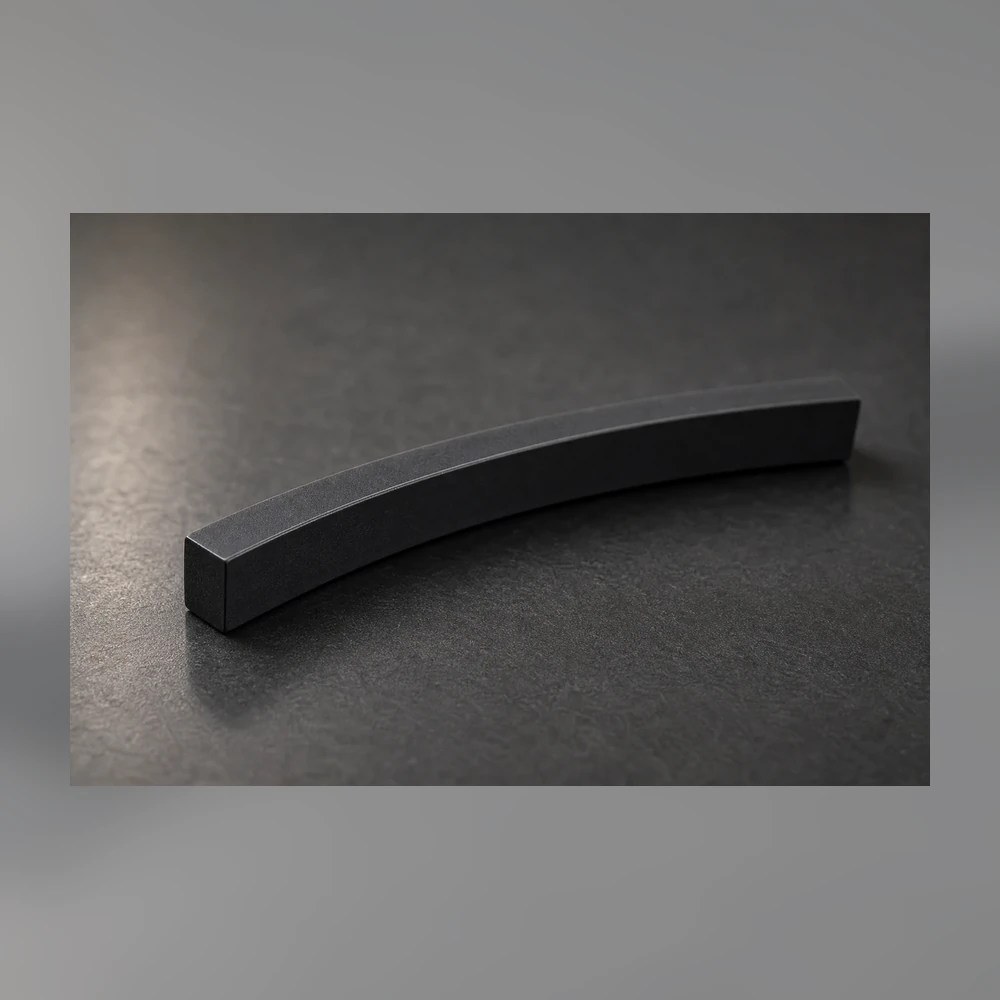
Product Fit
For civil industrial silicone part projects where flame behavior is one requirement to review alongside geometry, material, and test context.
Test context
The requested method, specimen thickness and acceptance route should be named before any material is discussed.
Part geometry
Flat sheet, strip, gasket and molded part forms may behave differently because thickness and exposed edge area change.
Installation position
The part location, nearby heat source and enclosure condition affect whether the request is mainly material, geometry or documentation driven.
Engineering Review Inputs
A responsible RFQ separates flame behavior from unrelated certification or stock assumptions.
- Target flame behavior method or customer test reference
- Part drawing, thickness and exposed edge condition
- Material hardness, color and surface requirement
- Operating temperature and nearby heat or electrical context
- Requested document scope and destination market
- Sample quantity, production stage and packing requirement
Manufacturing Route
The manufacturing route depends on whether the flame requirement applies to sheet material, converted strips, gaskets or molded geometry.
Material screening
Candidate grades are checked against thickness, hardness and part form before sample preparation.
Conversion route
Sheet cutting, profile work or molding is reviewed after the flame behavior requirement is separated from geometry needs.
Packing and traceability
Samples and production lots may need clear labeling by material, batch and drawing revision.
DFM / Tolerance Review
- Do not mix a material-level test request with a finished-part approval unless the test specimen is defined.
- Mark edges, holes or thin sections that may change exposed area.
- State whether color, hardness or surface finish is allowed to change during material selection.
Testing / QC Boundaries
- Flame behavior discussion requires the target method, specimen form and customer acceptance path.
- Thickness, hardness and visual checks can be tied to the project drawing.
- Documents are reviewed by material, batch and destination; the page does not promise universal certification coverage.
RFQ Parameters
For flame resistant silicone, send the test context and part geometry together.
Flame resistant silicone review remains project-specific and civil industrial in scope; no blanket fire rating, certification, stock or lead-time promise is made on the website.
- Target flame behavior method
- Part drawing and thickness
- Material hardness and color
- Application position and temperature context
- Document scope and destination market
Related Products
These paths help when the project moves from flame behavior into heat exposure, molded geometry or compliance-scope review.